 VIPSolutions
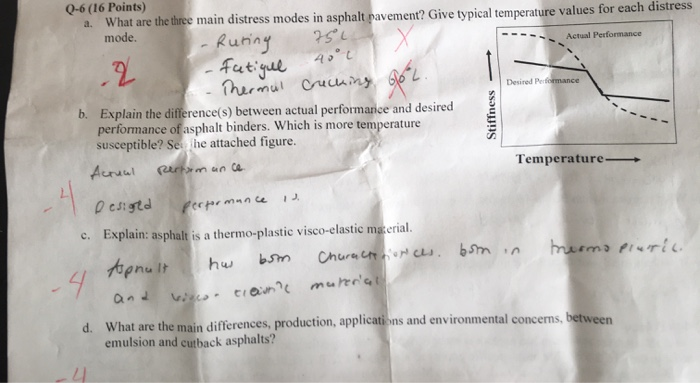
sin diss modes plc? Give pial opr lu po ~ Rubing GEN = iE 1 i ~ Fatigt 43 Ml | Vs rence(s) between actual performace and desired £ = 5 isphalt binders. Which is more temperature El ho ” 4 cl Se ic attached figure. Pp Cg firs Le TR Joe. "esd od Exp is a thermo-plastic visco-clastic mg rial. 3 2 ho bom Chumdll dd bm on ard ¥ | en cenit mend bo 2. be BN | dad differences, production, applicafiiins and environmental concerns. b 3 | k, » alls
Question:
 sin diss modes plc? Give pial opr lu po
~ Rubing GEN = iE 1
i ~ Fatigt 43 Ml | Vs
rence(s) between actual performace and desired £ = 5
isphalt binders. Which is more temperature El ho
” 4 cl Se ic attached figure. Pp Cg firs
Le TR Joe. "esd
od Exp is a thermo-plastic visco-clastic mg rial. 3
2 ho bom Chumdll dd bm on ard
¥ | en cenit mend
bo 2. be BN
| dad differences, production, applicafiiins and environmental concerns.
b 3 | k,
» alls
This is AI generated Response.
Asked by: MD ISRARUL HAQUE
Created at: 2025-08-12 22:12:13
Asked by: MD ISRARUL HAQUE
Created at: 2025-08-12 22:12:13
Final Answer:
Rendered
Raw Text
Did you like this answer?
Let's break down the content from the image:
---
### Q-6 (16 Points)
#### a. What are the three main distress modes in asphalt pavement? Give typical temperature values for each distress mode.
- **Rutting:** 75°C
- **Fatigue:** 20°C
- **Thermal Cracking:** -6°C
*(It appears that "Fatigue" and "Thermal Cracking" are marked with an X, possibly indicating an error.)*
---
#### b. Explain the difference(s) between actual performance and desired performance of asphalt binders. Which is more temperature susceptible? See the attached figure.
- Handwritten: "Actual performance" and "desired performance is..." (incomplete).
- The figure shows **Stiffness vs Temperature** with actual performance diverging from desired performance as temperature increases.
- *Desired performance* is what is needed for optimal pavement function, while *actual performance* is how the material behaves in real conditions. **Actual performance is more temperature susceptible** as seen in the figure.
---
#### c. Explain: asphalt is a thermo-plastic visco-elastic material.
- Handwritten: "Asphalt has both characteristics. Both in thermoplastic and visco-elastic materials."
- *Explanation:* Asphalt exhibits properties of both thermoplastics (softens when heated, hardens when cooled) and visco-elastic materials (shows both viscous and elastic responses under load).
---
#### d. What are the main differences, production, applications and environmental concerns, between emulsion and cutback asphalts?
- Handwritten: Not fully legible
- *Key points:*
- **Emulsion Asphalt:** Produced by dispersing asphalt in water with an emulsifying agent; used for cold applications; environmentally friendly as it avoids volatile solvents.
- **Cutback Asphalt:** Produced by dissolving asphalt in a petroleum solvent; used for cold applications; higher environmental concern due to solvent evaporation and VOC emissions.
---
If you need more detailed answers for any part, let me know!
📢 Instructions:
- Ask anything relatd to above question only.
- For new Question goto :